
24 Jul William Penn’s Spiritual & Practical Advice to His Children
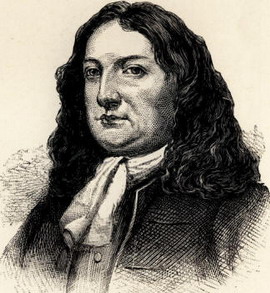 Before the likes of Jefferson, Washington, Franklin, and Adams, we had William Penn, the founder of Pennsylvania who is rightly considered by many to be America’s first Founding Father. A champion of religious freedom and democracy, Penn stands out among many early American settlers in his good relations and treaties with native-Americans.
A Quaker (the Religious Society of Friends), William Penn was good friends with George Fox, the founder of the Quakers and like Fox, Penn combined a refined spiritual outlook with practical sensibilities. In the following passages,1 we find Penn offering sound advice to his children, as they begin their journey through life.
In our current age, where Facebook, Twitter, online forums, and blogs are national obsessions, Penn’s final piece of advice regarding acquaintances and intimates should inspire serious meditation.
**In conversation, mark well what others say or do. Hide your own mind, at least until last, and then open it as sparingly as the matter will let you. A just observance and reflection upon men and things give wisdom and are the great books of learning seldom read. The laborious bee draws honey from every flower. Be always on your watch, but chiefly in company. Then be sure to keep your wits about you, and your armor on. Speak last and little, but to the point; interrupt none; anticipate none. Read Proverbs 10: 8,13. Be quick to hear, slow to speak: (Prov. 17: 27). It gives time to understand and ripens an answer. The truest eloquence is plainest, and brief speaking (I mean brevity and clearness to make yourselves easily understood by everybody, and in as few words as the matter will allow) is the best.
**Return no answer to anger, unless with much modesty, which often turns it away. But rarely make replies or rejoinders, for these add fuel to the fire. It is a wrong time to vindicate yourselves, because the true ear is never open to hear it. People are not themselves, and know not well what emotions control them. Silence to passion, prejudice, and mockery, is the best an answer, and often will conquer what your resistance would have otherwise inflamed.
**Have but few books, but let them be well chosen and well read, whether of religious or other subjects. Shun fantastic opinions; measure both religion and learning by practice; reduce all to that, for that brings a real benefit to you; the rest is a thief and a snare. And, indeed, reading many books takes off your mind too much from meditation. Reading yourselves and nature, and the dealings and conduct of others, is the truest human wisdom. More true knowledge comes by meditation and just reflection than by reading; for much reading is an oppression of the mind, and extinguishes the natural candle, which is the reason we have so many senseless scholars in the world.
**Have very few acquaintances, and fewer intimates, but of the best in their kind.
- The above passages by William Penn have been edited slightly to make it easier to read by the modern reader [↩]