
On the Road with Jack Kerouac – God is Pooh Bear
March 8, 2010 by Administrator
Filed under Progressive Christianity
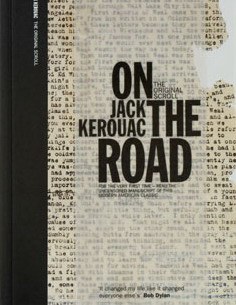
Towards the very end of Jack Kerouac’s classic novel On the Road, he writes several memorable lines, which he read famously on The Steve Allen Show in 1956. One passage is as follows:
“In Iowa I know by now the children must be crying in the land where they let the children cry, and tonight the stars’ll be out, and don’t you know that God is Pooh-Bear?…
The comment that God is Pooh-Bear has caused a lot of confusion over the years, with many people claiming that Kerouac thinks that God is a fiction. But to believe that Jack Kerouac felt that God was a figment of our imaginations is to terribly misread him. The so called “King of the Beats” felt God intensely, within each and every hobo, wino, and hard-luck soul he met.
Kerouac defined being “beat” as being reduced to the essentials. But what does that really mean? And why was Kerouac so attracted to people who were beat? Those who have read Benjamin Hoff’s Tao of Pooh probably have an intimation of the answer. In Hoff’s book we learn how Winnie the Pooh is symbolic of the sage who lives in the immediate moment.
When we are reduced to the essentials (beat) we have no choice but to live inside the immediate moment, and thus are close to God, as is revealed by Jesus’s parables of spontaneity. Close to God, though, does not translate to Being with God. For that to occur we must let charity, patience, and love drive our actions rather than the demands of the ego.
We must throw ourselves into the spontaneity of Christ (our true selves), as so often Pooh does in service to his friends and neighbors, without ever giving it a second thought.
—-
Gain fresh insight into the Lord’s Prayer. Read our free online book The Lord’s Prayer for Daily Life. The prayer’s hidden teachings will enrich and inspire you. Click the following link to begin reading the Living Hour book now: The Lord’s Prayer.
To read about William Butler Yeats and Christ’s Second Coming please go to: Jesus’s Second Coming.
Happiness: Brando & Money
June 6, 2009 by Administrator
Filed under Progressive Christianity
Vanity Fair recently issued a press release on its new interview with actor Johnny Depp. By association Depp aligns himself with the likes of Jack Kerouac, Bob Dylan, Hunter S. Thompson, and especially Marlon Brando, who (like Depp) once owned an island.
One thing that celebrities share with regular folks is that we all like to associate ourselves with people whom we admire, and fancy the notion that we’re a little like them. Yet in reality we often are not like our idols. We often display neither the courage nor the insight of those who have become our icons–for if we did, we would turn our attention away from them and turn it inward to listen for the Christ within.
This fact is clearly revealed in Johnny Depp’s recitation of an old adage on happiness that sounds profound but really isn’t.1 Depp justifies his pursuit of wealth by saying, “Money doesn’t buy you happiness. But it buys you a big enough yacht to sail right up to it.”
One can’t help but feel that Depp’s idols would be shaking their heads at such talk, especially his old colleague Marlon Brando. Among all of the actors of his generation, it was Brando who best personified Kerouac’s recognition that money (and fame) could neither buy happiness nor the yacht to sail up to its banks.
Brando in his later years became the ultimate “fool,” the jester of the celebrity court of Hollywood (who can forget his eccentic barefoot interview with Larry King), and all of his excesses were ways of escape, as well as modern day parables on the trappings of ego and pride. At the same time he held steadfast to his own sense of right and wrong (career be damned): principles that dramatically revealed themselves in 1972 when Brando rejected his Academy Award and sent Sacheen Littlefeather to explain why.
It is easier for a camel to pass through the eye of a needle than for a rich man to enter the kingdom of God, said Jesus of Nazareth. Of all the actors of the 20th century, none understood that better than Marlon Brando.
—
The Living Hour’s SBNR motivational series combines history, literature, philosophy, religion, and pop culture to help bring about new perspectives on Progressive Christianity and spirituality. Sign up by entering your email address into the “Opening the Small Gate” box in the right corner of this web page.
- Studies have shown that individuals typically get richer during their lifetimes, but not happier. According to happiness studies, it is family, social and community networks that bring joy to one’s life. Once people have enough money to cover the necessities of life, money has little impact on happiness. [↩]


